
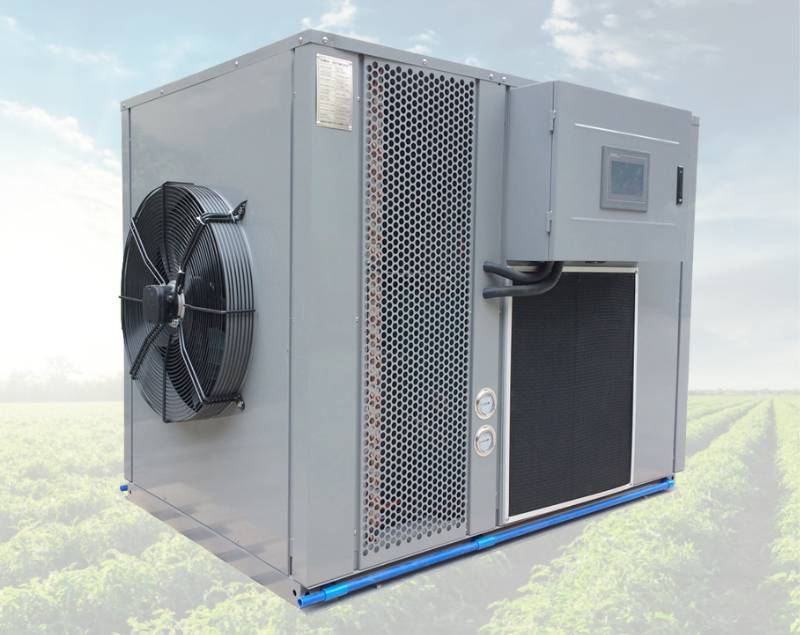
Heat Pump Food Dryer is a highly energy-efficient, environmentally friendly drying equipment. It reclaims latent heat from the surrounding air and uses it to dry products. The results are improved quality, higher efficiency and lower operating costs.
Research on heat pump drying has shown that it improves product color and aroma, compared to hot air drying. It also reduces color change and ascorbic acid degradation.
Energy-saving
Food dehydration is a vital step in preserving perishable foods and extending their shelf life. However, the process requires a significant amount of energy to heat and cool the products during drying. This energy can be expensive and may also result in environmental degradation. Fortunately, new technologies are being developed to improve the quality and efficiency of food drying processes. This includes using heat pump technology to reduce energy consumption and environmental damage.
Companies like Airtek Dehydrator offer Heat Pump Food Dryers, which provide a sustainable and energy-efficient method for drying food. By using low-temperature heat pump technology, these dryers preserve the nutritional content, flavor, and texture of food. Airtek’s innovative solutions cater to both commercial and residential users seeking eco-friendly food preservation options.
A heat pump dryer uses a reverse Carnot cycle to extract heat from the air and transfer it to the drying materials. This system saves a lot of energy when compared to conventional dryers that use electric resistance heating. The heat pump also helps preserve the flavor and nutritional content of dried products.
Unlike traditional dehydration methods, which use high temperatures and cause nutrient loss, Jimu’s heat pump technology allows food to be dried at lower temperatures, which preserves the vitamins, minerals, and enzymes in food. This translates into a healthier and more delicious end product for consumers.
The energy-efficient dehydration process can be used in a wide range of applications, including drying fruits and vegetables, making milk powder, and producing breadcrumbs. Additionally, it can be used for meat and fish preservation. This method can reduce the need for chemical preservatives and antibiotics in the food industry, allowing farmers to produce safer and healthier foods.
Research has shown that heat pump drying can significantly improve the quality of dried foods, reducing the time and energy required to prepare them. For example, the drying of sapota pulp in a heat pump dryer resulted in a more nutritious dried product than in cabinet and tunnel dryers. In addition, heat pump drying reduced color change and ascorbic acid degradation.
Moreover, heat pump technology can help reduce the use of fossil fuels and greenhouse gases, thus slowing global warming. Besides, it can help to convert and recycle wet organic waste into valuable dried food products. This would allow society to make better use of its resources and eliminate waste. In addition, it can reduce the cost of food for people and reduce energy costs in heavy industries.
Environmentally friendly
Heat pump technology is a popular choice for drying food. It is an energy-efficient way to dehydrate food without compromising quality or nutrition. A heat pump dryer uses an air-to-air cycle to draw heat from the atmosphere and transfer it to the product. This system allows for lower drying temperatures and saves up to 70% of the operating costs compared with traditional heating methods. It also produces less carbon dioxide emissions and is more environmentally friendly.
A heat pump dryer can be powered by renewable energy sources like solar or wind power. It can also be integrated into the building’s heating, ventilation, and air-conditioning systems to reduce energy consumption. It is important to select the right type of heat pump for your specific needs, and to ensure that the machine is properly maintained to get the most out of it.
The best heat pump dryers are built to last and are easy to operate and maintain. They are also able to adjust the temperature and humidity of the drying process for optimal results. They can be used to dry a variety of food products, including fruits, vegetables, and herbs. Some heat pump dryers are even designed to dry heat-sensitive foods, such as coffee beans, without affecting their flavor or nutritional value.
Another advantage of a heat pump dryer is that it operates in a closed cycle and does not emit pollutants or dust into the air. It also uses a natural fluid for condensation, which helps to protect the environment and reduce its impact on global warming. It is also a good alternative to traditional drying methods, which can be damaging to the environment.
Heat pump dryers can be used to dry a variety of foods, including meat, fruits, vegetables, and herbs. These dryers are also suitable for use in agriculture and the pharmaceutical industry. The heat-sensitive properties of these foods make them ideal for heat pump drying, which preserves the quality and color of the food. Heat pump dryers are also energy-efficient, reducing electricity consumption by about 75%. This makes them an excellent option for businesses that need to save on energy costs.
Convenient operation
Drying is an important technology for preservation of biological materials. It can reduce the need for storage space and improve quality at a lower cost. However, it requires a large amount of energy. To reduce the use of fossil fuels, researchers have been developing heat pump drying systems. These devices use the free energy of the environment to increase efficiency and reduce operating costs. These techniques can also be used with conventional dryers to improve their performance.
One of the main advantages of Heat Pump Food Dryer is that it can save up to 70% energy compared with traditional drying technology. This technology also has the advantage of being closed loop, meaning that no polluted water is released into the environment. It can also be operated for long periods of time, making it ideal for commercial applications.
Unlike traditional drying processes, Heat Pump Food Dryer can work 24 hours a day, regardless of the weather. Its low temperature and continuous drying can retain the original aroma, vitamins and protein of fruits and vegetables. It can prevent color degradation in foods by reducing the humidity and eliminating the need for sulfating agents.
The heat pump drying system works by using a reverse Carnot cycle to extract and transfer the energy from the air to the products. The refrigerant gas then enters the evaporator, where it vaporizes water and releases heat into the air. This process is then repeated to produce the desired temperature in the evaporator and drying chamber.
This type of dryer can be adapted to any kind of fruit and vegetable. It can even be used to dry raw material with high moisture content, such as apples and apricots. In addition to being an effective way of preserving food, it is environmentally friendly and easy to operate. It can also be combined with solar drying to increase the speed of dehydration and reduce energy consumption. It is also ideal for small and marginal food processing entrepreneurs. It is the most advanced and efficient drying machine available on the market. It can be used to dry a variety of materials such as fruits, vegetables, herbs and spices.
High drying efficiency
A heat pump dryer can save up to 70% energy, which makes it an efficient alternative to traditional drying technologies. It also reduces emissions and environmental impacts. This type of drying technology is becoming increasingly popular in the food industry. It can be used to dry vegetables, fruits, herbs, spices, pet foods and other heat-sensitive products.
Compared to conventional hot air drying, heat pump drying offers higher energy efficiency and more consistent product quality. It also allows for a wider temperature and humidity range in the air and provides superior control of the drying process. Moreover, it can prevent the occurrence of nonenzymatic browning (NEB). However, it is important to note that heat pump drying is not suitable for all foods. Some sensitive foods require lower temperatures and higher moisture content.
In addition, heat pump drying can also help you dry more food with less energy. This is because it does not require as much heat to evaporate the water from the food. This is important because it means that you can produce more products in the same amount of time as you would with a conventional dryer.
The use of a heat pump in the food industry is increasing rapidly because it can offer several advantages, such as reduced costs and improved quality. This is particularly true for small-scale productions. Heat pumps are also a great choice for developing countries where high energy prices are a major concern.
This new food dehydration system is a fully automated, energy-efficient and environmentally friendly device that recirculates air and uses the same hot air twice to prevent loss of heat. It is also more flexible than traditional systems because it can be easily modified to meet customer requirements. It is easy to use and requires minimal maintenance. The device also does not emit any harmful gases.
It is ideal for vegetables, fruits, meats, seafood and herbal medicine. Its unique design allows for more uniform drying and prevents oxidation, which preserves the shape and color of the food. Its energy efficiency is also very high, reducing the need for chemical treatments such as sulfating agents.
Featured Image Source: https://airtekdehydrator.com/wp-content/uploads/2021/07/CC700-600×600.png
