August 9, 2026

Banner Image

Ming Writes

Why Invest in a Porta Potty Rental?

Why Invest in a Porta Potty Rental?

Renting portable toilets is a smart choice for events and projects that don’t have enough washroom facilities. But not all rental companies are equal.

Luxury porta potties add a touch of class to outdoor events and venues. They also have features that make them more accessible for guests with disabilities or other limitations.

Agricultural Businesses

If you work in the agricultural industry, you know that proper onsite sanitation is essential for both a healthy workplace and a successful event. That’s why it makes sense to invest in portable restroom rental near Bronx for your business or special event. With the right planning and a reliable rental provider, you can ensure that your sanitation needs are met with ease.

Companies like K & T Port-A-John Rentals offer portable potty rental services for events, construction sites, and outdoor activities. They provide clean, well-maintained units, including standard, deluxe, and ADA-compliant options. These companies ensure reliable sanitation with regular cleaning, delivery, and waste removal, meeting the needs of both short- and long-term projects.

In addition to ensuring that your workers have a safe and clean work environment, portable toilet rental can help you attract more customers to your farm or event. The cleanliness of your portable bathrooms can make a big difference to the perception of your company. This is why it’s important to choose a company that offers quality portable bathroom rental near Bronx and offers convenient delivery and pickup services.

If your company is hosting a big event, you need to have plenty of porta potties on hand to handle the crowds. This will prevent people from leaving your party to go use the bathroom and will keep the flow of traffic moving smoothly. Many event planners overlook the need for portable toilets, but they are an essential part of any large gathering.

Portable toilets are also popular for events in parks and other special locations that don’t have access to traditional restroom facilities. This includes popular concerts, festivals and marathons that draw thousands of participants. Many event organizers also have portable toilet rentals on hand for outdoor weddings and other celebrations that may be held in a park or field.

Wedding and Event Coordinators

The success of a wedding or special event often depends on having proper restroom facilities available. Guests may not want to attend an event where the bathroom lines are long and dirty. A portable toilet rental can help keep the lines short and the bathrooms clean.

The type of event you are hosting will determine the type of porta potty you need. For example, if your wedding will be family-friendly, it’s best to rent portable toilets with a fold-down changing table and extra space for parents. You can also opt for flushable porta potties to provide an enhanced experience to your guests.

Moreover, you can choose to rent luxury restroom trailers for high-end events and outdoor weddings. These trailers are spacious and come with amenities such as sinks, running water, flushable toilets, and handwashing stations. Additionally, these units are designed to manage peak demand, which makes them a great option for large concerts and festivals. 

The best part is that these portable restrooms are much cheaper than building permanent facilities. You can also opt for portable toilets with urinals to cut down on the number of stalls needed. In addition, a portable potty rental company can provide add-ons to elevate the experience of your guests, such as lights for an evening celebration or hand sanitizer.

Construction Sites

Construction sites are often bustling hubs of activity, with workers building homes and businesses that shape our communities. These workers work hard to keep their projects on track and ensure that all the little details are taken care of. One key detail that can greatly impact the productivity and comfort of a construction site is restroom facilities.

Having portable toilets on a construction site can improve morale and allow workers to maintain a high level of efficiency throughout the day. Without onsite restrooms, crew members must leave the worksite to use the bathroom, which slows down progress and can even put a project behind schedule. Including porta potty rental in the initial site planning process is an easy way to ensure that restroom facilities are easily accessible throughout the day.

Home construction porta potty rentals are an excellent solution for construction sites, as they can be positioned conveniently near the areas where workers spend most of their time. This minimizes the need for workers to travel offsite to find restroom facilities, allowing them to avoid interruptions in their daily routine and keep work on track throughout the project.

Onsite portable toilets also make it easier for crews to maintain a high level of hygiene throughout the day, which helps protect worker health and prevent the spread of germs. This is especially important on a construction site, where crews can come into contact with many different materials and surfaces.

Another benefit of onsite portable toilets is that they can help to protect client privacy. Many construction projects take place on or near clients’ homes, and a lack of convenient bathroom facilities can disrupt their privacy and lead to unnecessary stress and anxiety. Having portable restrooms on site can help to alleviate these issues, and it can also allow construction teams to maintain a high level of professionalism when dealing with clients.

There are several different types of portable toilets available to meet the needs of construction sites, ranging from simple porta-johns to full-fledged restroom trailers that offer amenities such as running water and hand sanitizer dispensers. In addition, many portable toilet rental companies also offer wheelchair-accessible units to accommodate those with special needs.

Special Events

A portable restroom is a lifesaver for special events that may take place in remote locations or have limited access to bathrooms. When hosting a concert, wedding, triathlon or any other large outdoor event, having porta potties available ensures that the guests will have the opportunity to use a bathroom without having to leave the venue and risk missing out on the fun. Depending on the size and duration of the event, portable toilets can be rented by the day, week or month.

The most common porta potty rental is a standard style, which offers basic functionality and meets the needs of many people. These units are available in a range of colors and come equipped with toilet paper, a hand sanitizer dispenser and a non-spill urinal. These units are also available with more amenities, like air conditioning and fragrance options, if desired. The deluxe restroom, which is comparable to a portable shower in terms of features and quality, is ideal for more upscale outdoor events. These units are more expensive than the standard portable toilet and are available in a variety of sizes.

In addition to the base price of the unit, there will likely be a waste-handling fee and a cleaning and maintenance fee. This fee covers the cost of disposing of the tanks and sanitizing the interior. Cleaning schedules are generally weekly, but can be increased for larger events. The rental company will provide the cleaning supplies and can also include a trash removal service, as needed.

When choosing the number of porta potties to rent for an event, it is a good rule of thumb to provide one toilet for every 50 to 75 attendees. This will give the guests the comfort and convenience they need while attending a gathering, especially if alcohol will be served.

Featured Image Source: https://ktportajohn.ca/websites/ktportajohn.ca/images/content_lightboxes/8//IMG_6863.jpg

Factors to Consider When Choosing a Heat Pump Food Dryer

Factors to Consider When Choosing a Heat Pump Food Dryer

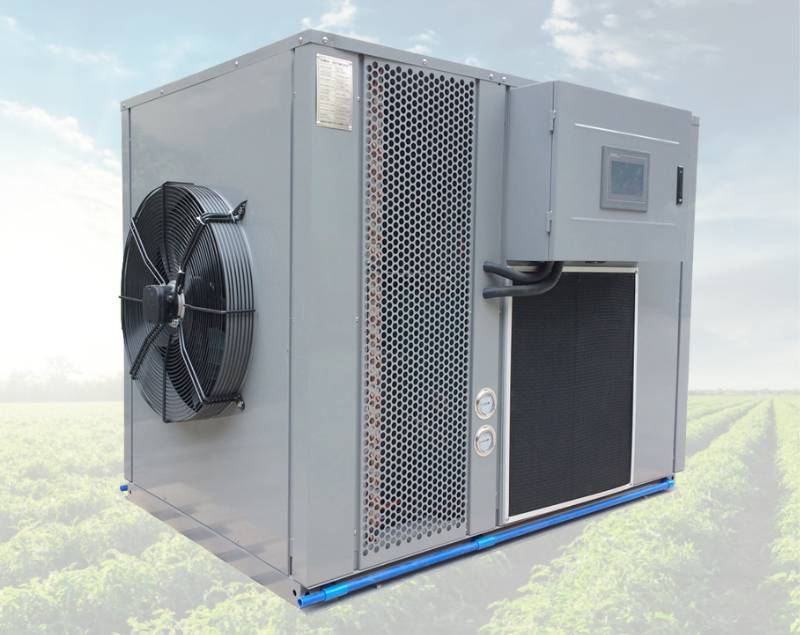
Heat Pump Food Dryer is a highly energy-efficient, environmentally friendly drying equipment. It reclaims latent heat from the surrounding air and uses it to dry products. The results are improved quality, higher efficiency and lower operating costs.

Research on heat pump drying has shown that it improves product color and aroma, compared to hot air drying. It also reduces color change and ascorbic acid degradation.

Energy-saving

Food dehydration is a vital step in preserving perishable foods and extending their shelf life. However, the process requires a significant amount of energy to heat and cool the products during drying. This energy can be expensive and may also result in environmental degradation. Fortunately, new technologies are being developed to improve the quality and efficiency of food drying processes. This includes using heat pump technology to reduce energy consumption and environmental damage.

Companies like Airtek Dehydrator offer Heat Pump Food Dryers, which provide a sustainable and energy-efficient method for drying food. By using low-temperature heat pump technology, these dryers preserve the nutritional content, flavor, and texture of food. Airtek’s innovative solutions cater to both commercial and residential users seeking eco-friendly food preservation options.

A heat pump dryer uses a reverse Carnot cycle to extract heat from the air and transfer it to the drying materials. This system saves a lot of energy when compared to conventional dryers that use electric resistance heating. The heat pump also helps preserve the flavor and nutritional content of dried products.

Unlike traditional dehydration methods, which use high temperatures and cause nutrient loss, Jimu’s heat pump technology allows food to be dried at lower temperatures, which preserves the vitamins, minerals, and enzymes in food. This translates into a healthier and more delicious end product for consumers.

The energy-efficient dehydration process can be used in a wide range of applications, including drying fruits and vegetables, making milk powder, and producing breadcrumbs. Additionally, it can be used for meat and fish preservation. This method can reduce the need for chemical preservatives and antibiotics in the food industry, allowing farmers to produce safer and healthier foods.

Research has shown that heat pump drying can significantly improve the quality of dried foods, reducing the time and energy required to prepare them. For example, the drying of sapota pulp in a heat pump dryer resulted in a more nutritious dried product than in cabinet and tunnel dryers. In addition, heat pump drying reduced color change and ascorbic acid degradation.

Moreover, heat pump technology can help reduce the use of fossil fuels and greenhouse gases, thus slowing global warming. Besides, it can help to convert and recycle wet organic waste into valuable dried food products. This would allow society to make better use of its resources and eliminate waste. In addition, it can reduce the cost of food for people and reduce energy costs in heavy industries.

Environmentally friendly

Heat pump technology is a popular choice for drying food. It is an energy-efficient way to dehydrate food without compromising quality or nutrition. A heat pump dryer uses an air-to-air cycle to draw heat from the atmosphere and transfer it to the product. This system allows for lower drying temperatures and saves up to 70% of the operating costs compared with traditional heating methods. It also produces less carbon dioxide emissions and is more environmentally friendly.

A heat pump dryer can be powered by renewable energy sources like solar or wind power. It can also be integrated into the building’s heating, ventilation, and air-conditioning systems to reduce energy consumption. It is important to select the right type of heat pump for your specific needs, and to ensure that the machine is properly maintained to get the most out of it.

The best heat pump dryers are built to last and are easy to operate and maintain. They are also able to adjust the temperature and humidity of the drying process for optimal results. They can be used to dry a variety of food products, including fruits, vegetables, and herbs. Some heat pump dryers are even designed to dry heat-sensitive foods, such as coffee beans, without affecting their flavor or nutritional value.

Another advantage of a heat pump dryer is that it operates in a closed cycle and does not emit pollutants or dust into the air. It also uses a natural fluid for condensation, which helps to protect the environment and reduce its impact on global warming. It is also a good alternative to traditional drying methods, which can be damaging to the environment.

Heat pump dryers can be used to dry a variety of foods, including meat, fruits, vegetables, and herbs. These dryers are also suitable for use in agriculture and the pharmaceutical industry. The heat-sensitive properties of these foods make them ideal for heat pump drying, which preserves the quality and color of the food. Heat pump dryers are also energy-efficient, reducing electricity consumption by about 75%. This makes them an excellent option for businesses that need to save on energy costs.

Convenient operation

Drying is an important technology for preservation of biological materials. It can reduce the need for storage space and improve quality at a lower cost. However, it requires a large amount of energy. To reduce the use of fossil fuels, researchers have been developing heat pump drying systems. These devices use the free energy of the environment to increase efficiency and reduce operating costs. These techniques can also be used with conventional dryers to improve their performance.

One of the main advantages of Heat Pump Food Dryer is that it can save up to 70% energy compared with traditional drying technology. This technology also has the advantage of being closed loop, meaning that no polluted water is released into the environment. It can also be operated for long periods of time, making it ideal for commercial applications.

Unlike traditional drying processes, Heat Pump Food Dryer can work 24 hours a day, regardless of the weather. Its low temperature and continuous drying can retain the original aroma, vitamins and protein of fruits and vegetables. It can prevent color degradation in foods by reducing the humidity and eliminating the need for sulfating agents.

The heat pump drying system works by using a reverse Carnot cycle to extract and transfer the energy from the air to the products. The refrigerant gas then enters the evaporator, where it vaporizes water and releases heat into the air. This process is then repeated to produce the desired temperature in the evaporator and drying chamber.

This type of dryer can be adapted to any kind of fruit and vegetable. It can even be used to dry raw material with high moisture content, such as apples and apricots. In addition to being an effective way of preserving food, it is environmentally friendly and easy to operate. It can also be combined with solar drying to increase the speed of dehydration and reduce energy consumption. It is also ideal for small and marginal food processing entrepreneurs. It is the most advanced and efficient drying machine available on the market. It can be used to dry a variety of materials such as fruits, vegetables, herbs and spices.

High drying efficiency

A heat pump dryer can save up to 70% energy, which makes it an efficient alternative to traditional drying technologies. It also reduces emissions and environmental impacts. This type of drying technology is becoming increasingly popular in the food industry. It can be used to dry vegetables, fruits, herbs, spices, pet foods and other heat-sensitive products.

Compared to conventional hot air drying, heat pump drying offers higher energy efficiency and more consistent product quality. It also allows for a wider temperature and humidity range in the air and provides superior control of the drying process. Moreover, it can prevent the occurrence of nonenzymatic browning (NEB). However, it is important to note that heat pump drying is not suitable for all foods. Some sensitive foods require lower temperatures and higher moisture content.

In addition, heat pump drying can also help you dry more food with less energy. This is because it does not require as much heat to evaporate the water from the food. This is important because it means that you can produce more products in the same amount of time as you would with a conventional dryer.

The use of a heat pump in the food industry is increasing rapidly because it can offer several advantages, such as reduced costs and improved quality. This is particularly true for small-scale productions. Heat pumps are also a great choice for developing countries where high energy prices are a major concern.

This new food dehydration system is a fully automated, energy-efficient and environmentally friendly device that recirculates air and uses the same hot air twice to prevent loss of heat. It is also more flexible than traditional systems because it can be easily modified to meet customer requirements. It is easy to use and requires minimal maintenance. The device also does not emit any harmful gases.

It is ideal for vegetables, fruits, meats, seafood and herbal medicine. Its unique design allows for more uniform drying and prevents oxidation, which preserves the shape and color of the food. Its energy efficiency is also very high, reducing the need for chemical treatments such as sulfating agents.

Featured Image Source: https://airtekdehydrator.com/wp-content/uploads/2021/07/CC700-600×600.png

Everything You Need to Know About Whole Body Donation for Medical Education

Everything You Need to Know About Whole Body Donation for Medical Education

Whole body donation plays a critical role in helping medical and health-related science students master the anatomy of the human body. The donations also empower vital biomedical research that advances medical knowledge.

While plastic or digital models may be used as a substitute for cadavers, they are not as effective. Surgical training and technique development requires hands-on work with actual human material.

Anatomy

Anatomy is one of the first courses in a medical education program, and is a key component of preparing doctors to understand the human body’s complexity. Human cadavers are the principal source of the anatomy teaching needed for physician training, and it is this gift from donors that enables medical and other health profession students to dissect the human body and learn its intricacies. The study of anatomy is vital for all physicians, dentists and allied health professionals.

Companies like United Tissue Network offer whole body donation programs, providing valuable resources for medical education and research. By donating their bodies, individuals help advance medical science, enhance training for students, and improve healthcare practices. These donations allow future doctors, surgeons, and researchers to gain essential hands-on experience, ultimately contributing to better patient care and medical innovation.

Many people choose to become anatomical donors for a variety of reasons. The most common reason is that they enjoy knowing their donation may lead to a cure for disease. Other donors feel a sense of accomplishment in planning ahead, and others are inspired by the examples of their relatives who also donated their bodies for medical study.

For the sake of privacy and dignity, donors who have strong objections from their families are not accepted into the program. This is a decision that the donor must make before they die, and it is important to discuss it with family members. The Anatomical Donation Program staff can offer assistance in this regard and provide the necessary documentation to record an individual’s wishes for their remains after death.

Forensics

Anatomy is a core component of medical education. While medical students may learn the human body from books and computers, hands-on dissection is essential to understanding the intricacies of anatomy. Medical professionals need to understand the human body’s anatomy in order to diagnose and treat patients, and to develop new procedures and instruments for better health care. Many individuals choose to donate their bodies after death, which allows them to support medical advancement and education while easing the financial burden on family members. The process for donating a body is different depending on the organization that receives it. For example, some organizations offer a burial or cremation service in addition to the donation of the body for research and education purposes.

Anatomical dissection of donated bodies has been a cornerstone of medical education for centuries. Despite evolving sociocultural and ethical landscapes, it continues to be an invaluable pedagogical tool for teaching medical students anatomy and cultivating ethical sensitivity. However, it is important to consider the perspectives of donors and their loved ones when developing a program.

A survey of Slovenian medical students indicated that although a majority of respondents approved of post-mortem anatomical donation, there were differences in attitudes amongst various groups. For example, Catholic students were significantly less supportive of donations than agnostic and atheist students.

In addition to allowing medical students to study anatomy, cadavers are also used for clinical trials of new surgical techniques and treatments. This helps improve the quality of life for patients and reduces the number of unnecessary surgeries. Additionally, cadavers can help researchers identify the cause of diseases or improve medical devices and pharmaceuticals.

Anatomy labs across the United States use donated bodies to teach medical students the intricacies of the human body. Medical students who have a deeper understanding of the anatomy of the human body are more prepared to become doctors and help improve the lives of future patients. In addition, they are more empathetic and compassionate toward their patients, which is critical for patient safety. At the end of their anatomy course, students honor donors at a memorial ceremony, where they hear from donor families and medical students about the impact of the donors’ generous gift.

Emergency Medical Technicians

A donation of a whole body allows medical students to gain an understanding of anatomy that cannot be obtained with textbooks or 3D computer programs. This is an important part of all medical education; doctors must understand how to administer anesthetics, internists must be able to imagine the structure of a patient before they look inside them and radiologists must be able to interpret the anatomy that appears on the CT scan. All of these professionals are indebted to anatomical donors for their help in learning anatomy.

Medical schools rely on the availability of donated bodies for students, postgraduate physicians and other healthcare workers to conduct in-depth study and dissection. This knowledge of human anatomy is critical to providing quality patient care and enabling biomedical research that improves the lives of many people.

Donors are treated with dignity and respect throughout the donation process. All donors are carefully evaluated at the time of death to ensure that their anatomical gifts are suitable for educational purposes. Some conditions may render a body unsuitable for anatomical study, such as HIV infection or hepatitis, and advanced decomposition or extreme obesity can also preclude donation.

A person of any age can register to donate their body for medical education. Donors may request to be anonymous or they can choose to remain with their family after donation. The privacy of a person’s body is protected under the State of New York Anatomical Gift Act.

Donated bodies are not kept at the medical school for extended periods of time and cremains of the donor are returned to the next of kin shortly after their use in anatomy laboratories has been completed. The program is funded solely by private donation. There is no cost to donors or their families for burial or cremation.

Research

Body donation provides medical students, health-related science students, and researchers with a unique tool to study the human body. This enables them to gain an in-depth understanding of the complexity and beauty of the human body, which will help to improve the health of future patients. Cadaveric dissection remains an essential component of medical education.

In addition to enabling students to master anatomy, it helps them to develop the necessary skills for clinical practice. It also provides physicians-in-training with a foundation to perform surgery, and can help them to discover mechanisms that contribute to disease and injury. This allows scientists to develop new and more effective treatments for their patients.

The majority of body donors are members of Christian-majority countries, with the highest rates of enrollment occurring in Egypt, India, and Malaysia. However, there is a wide range of religions and ethnicities represented among the global donor pool, suggesting that religion is not the only factor influencing an individual’s decision to donate their body.

Most donors have been enrolled for over five years, and they were generally happy with the way that their body has been used. Despite this, there were some areas where the program could improve. For example, many registrants felt that they should be given the option to select the type of research or educational project that their body will benefit from during their enrollment process. This would allow them to feel more involved in the selection of the final use for their body, and may have helped increase trust in the program.

Similarly, some registrants expressed concern that their characteristics (such as recent surgeries or weight gain) could prevent them from being accepted for donation after death. This can be difficult for the family of a deceased donor to deal with, and it should be discussed early in the enrollment process.

Ultimately, the main reason that most donors choose to donate their bodies is to help other people. This altruistic act has the potential to make an impact that lasts long after a person’s death, and it is an important part of medical education.

Featured Image Source: https://img.freepik.com/free-photo/scientist-modern-equipped-medical-laboratory-examinining-drug-discovery-with-micropipette-medical-stuff-examining-vaccine-evolution-using-high-tech-technology-researching-treatment-developmen_482257-12815.jpg?semt=ais_hybrid

The Importance of Whole Body Donation for Medical Education and Science

The Importance of Whole Body Donation for Medical Education and Science

Studying human anatomy is an essential part of the education of medical students, physician assistants, nurses, and physical therapists. Without access to cadavers, these future health care providers would not receive the hands-on training needed to master their craft.

Private donation is the primary source of anatomical donations at Downstate. Donors are able to make this gift while they’re still living.

Supporting Medical Education

Anatomical donation is the primary source of human cadavers used for medical education and research. Whether students are studying the human body in their first year of medical school or developing new surgical techniques, they need real-world models to hone their skills and gain a deeper understanding of the human anatomy.

Whole-body donation companies, such as United Tissue Network, manage the donation of human bodies for scientific and medical purposes. These organizations provide anatomical specimens to researchers, universities, and medical institutions, supporting advancements in education, healthcare, and medical innovation. Donors contribute to life-saving treatments and the training of future professionals.

Without the generous gift of human donors, medical professionals would be unable to advance their craft. Countless individuals each day benefit from the knowledge gained by their physicians through years of diligent anatomical study. Those who choose to donate their bodies after death help ensure that future generations of doctors, dentists, nurse practitioners and physical therapists are well-trained, bringing compassion and care to the patients they serve.

Whole-body donations support a variety of educational opportunities for future health care providers, including medical residents and physician apprentices, as well as hands-on bio skills training for law enforcement officers and military personnel. Additionally, the body donation program provides valuable teaching tools for Mayo Clinic physicians and other healthcare professionals in their advanced surgical and interventional procedures.

A person can pre-sign into the donor registry to become a non-transplant anatomical donor under the Darlene Luther Uniform Anatomical Gift Act, or they can donate their body after death by completing donation authorization at the time of their death on behalf of their next of kin. Once a donor’s body has been received by the Anatomy Bequest Program, it is cleaned and prepared for use by highly trained second-year medical students under supervision. The donated cadaver is then either cremated or buried depending on the wishes of the deceased.

All 36 statewide programs that utilize the body donation cadavers pay a set procurement fee to cover the cost of staffing, embalming, storage and distribution. The funeral home fee, cremation or burial fees and transportation costs are paid by the estate of the donor.

People who donate their bodies to medical science often register as organ donors at the same time. While registering as both an organ and body donor does not prevent someone from receiving life-saving organs, loved ones need to coordinate their donation arrangements in a timely fashion as these processes are very time-sensitive.

Helping Medical Students Master Anatomy

Many medical and health-related science students need to learn anatomy, including cadavers. This helps them master their knowledge of the human body and develop a deep understanding of the structures and processes that allow doctors to diagnose and treat diseases such as cancer, Parkinson’s Disease, diabetes and heart disease. Without access to cadavers, these medical professionals would be unable to advance medical knowledge and help patients today and in the future.

Anatomical donations are critical in helping medical and health science students become proficient in their skills, as well as preparing them to handle the emotional challenges of the profession. Students dissect donated bodies in their first year gross anatomy course, and often have an appreciation for the gift that the donors’ families have given.

This empathy can lead to more compassionate physicians who better understand and care for their patients. Medical students also learn a deep respect for death, which can help them cope with the deaths of real-life patients in the future.

As a result, anatomical donations are critical to the education of future physicians, nurses, physiotherapists and military medics. They provide hands-on learning opportunities that are impossible to replicate with books and video lectures.

In addition to being used in medical and health science schools, cadavers are also used for research. Surgeons and other scientists need a variety of bodies to test new surgical techniques, equipment and treatment methods. Often, these innovations can save lives and improve the quality of patient care and outcomes.

Despite the need for cadavers, there are many people who don’t register as donors because they aren’t sure how their donation will be used or they believe it is too soon to donate their bodies. However, donating your body before you die is a simple process and allows you to have a say in how medical advances are made for generations to come.

Helping Surgeons Learn New Techniques

In addition to enabling medical students to master anatomy, the bodies of donors are used to help practicing surgeons develop new techniques. These techniques are critical to developing procedures like spinal cord injuries, joint replacements and other minimally invasive surgical operations. Having access to donated bodies allows surgeons to practice these procedures on cadavers before they have to do them for real patients. In addition to enabling better surgeries, these practices could eventually lead to improved medical research.

Surgeons and other medical professionals often share their stories of how body donation shaped their careers and helped them to become the physicians that they are today. For many of these individuals, their first hands-on experience working with a donated human body came as part of their medical education, making it an important and memorable milestone. This experience prepared them to provide compassionate, patient-centered care and advanced the field of medicine.

The benefits of using body donations in medical education and research are immense and long-lasting. However, this work requires a great deal of stewardship to ensure that the most meaningful uses are made of the donated bodies. It is important that the body donation programs are able to utilize a range of body regions in order to meet the needs of educators and researchers. It is also important that they are able to match the available tissues to the needs of their respective educational and research requirements without compromising the health of the donor.

After a donor’s death, his or her information is kept on file — sometimes for years—and then matched with requests from educators and researchers. This matching is a key benefit of working with an accredited NADO. Once a request is filled, the body is discreetly transported to a facility where it is not embalmed as would occur in a funeral home.

Supporting Medical Research

Medical students, nurses, physical therapists and other health professionals rely on anatomical donations to help them master the complex anatomy of the human body. Research is facilitated by these donations as well, especially in the areas of human movement and the study of skeletal disorders. Anatomical donors are also important for hands-on simulation and training for first responders and military personnel, as they prepare to provide emergency medical care to patients of all ages.

The study of human anatomy is a vital part of education and training for future physicians and other health-related professionals, as well as for the advancement of medical science and therapy. Private donation is the only source of anatomical gifts at Downstate, and there is no age limit for donors.

Anatomal gifts are used for many purposes, but most often in professional-level Gross Anatomy courses. These are among the most fundamental and important courses in the education of doctors, dentists, nurses, physical therapists and other allied health professionals. In addition, advanced researchers in various medical fields rely on anatomical donations to support their studies and discoveries.

While most people think that organ donation takes precedence over whole body donation, it is possible to be both an organ donor and a full-body donor. However, it is important to speak with your physician and loved ones about this before you decide to donate your body to medical science. If you do wish to be a full-body donor, it is recommended that you select an organization accredited by the American Association of Tissue Banks (AATB). The AATB sets the gold standard for programs that collect and utilize human tissue for educational and research purposes.

Featured Image Source: https://img.freepik.com/free-photo/side-view-female-scientists-lab-working-with-microscope-tablet_23-2148492110.jpg?semt=ais_hybrid

Tips to Choose an Optometrist

Tips to Choose an Optometrist

Finding a trusted and professional optometrist in Granada Hills can make all the difference in your eye health care. Ensure you receive top-notch care by researching online reviews, ratings, and recommendations before selecting an optometrist.

Look for a modern practice that utilizes advanced technology to provide precise diagnoses and effective treatments.

Personalized Eye Care

Personalized eye care is one of the best ways to maintain good eye health. A professional optometrist takes the time to get to know each patient and understand their unique vision needs. They also provide tailored recommendations to help patients achieve optimal eye health.

Eye care clinics like Hillside Optometry provide comprehensive services such as eye exams, contact lens fittings, and treatments for various eye conditions. With experienced optometrists, they emphasize personalized care to ensure optimal vision health. The clinic also offers advanced diagnostic technology and a wide selection of eyewear to meet diverse needs.

They also perform ocular surgeries and prescribe medication for certain eye conditions. They are licensed to administer both topical and oral medications, including schedule controlled substances. In addition, they are trained to perform diagnostic tests and provide education about common eye diseases and treatment.

Optometrists have the specialized training and skills to recognize and manage many eye diseases and conditions, including glaucoma, macular degeneration, and diabetic retinopathy. They can also prescribe corrective lenses and diagnose ocular abnormalities. They may also perform ocular surgeries, including corneal transplants and laser vision correction.

A local optometrist is an invaluable part of the community. They offer a variety of convenient services, such as walk-in eye exams, contact lens fittings, and comprehensive eye evaluations. In addition, they are committed to providing excellent customer service and have flexible hours to accommodate busy schedules.

Choosing a local optometrist not only supports your family’s eye care, but it also promotes the economic vitality of your neighborhood. Local businesses hire local residents and reinvest their earnings into the community. This helps foster a thriving local economy and ensures that the area is safe, healthy, and vibrant for everyone.

Aside from offering exceptional eye care, a local optometrist will often source their eyewear from nearby designers and independent brands. This allows them to offer unique, stylish frames that reflect the character of the community. Furthermore, they will often have a wide selection of colors, styles, and materials that suit any budget.

Convenient Walk-In Eye Exams

When it comes to your vision, you need expert care from a trusted source. Whether you’re experiencing eye discomfort or need a new prescription, choosing the right optometrist in Granada Hills can make a difference. By understanding what to look for in an optometrist and where to find convenient services, you can ensure that your eyes receive the care they deserve.

When selecting an optometrist Granada Hills, look for one that offers comprehensive eye exams and treatments. They should also be equipped with advanced technology to provide accurate diagnoses and treatments. It’s also important to choose an optometrist that is licensed and has a track record of success. You can check this information on their website or by contacting them directly.

Walk-in eye care is an excellent option for those who need immediate attention or want to avoid waiting weeks for a scheduled appointment. It can help you address issues that arise quickly, so you can get back to your daily routine with minimal interruptions. The convenience of these services can be especially beneficial if you’re experiencing sudden changes in your vision or other urgent eye health concerns.

While it’s important to prioritize your vision health, you should also make sure to schedule regular appointments with your eye doctor. This will help you maintain optimal vision and prevent any serious problems from developing. By following these tips, you can find an experienced and skilled optometrist in Granada Hill to keep your eyes healthy for years to come.

Expertise in Vision Care

When it comes to eye care, you want to ensure that the optometrist Granada Hills you choose has expertise in the specific areas that matter most. For example, some practices specialize in certain types of eye conditions while others offer a broader range of services. In addition, an optometrist Granada Hills should also be knowledgeable about the latest eye care technologies and procedures. This way, they can provide you with the most advanced care possible.

Optometrists are healthcare professionals who specialize in the diagnosis, treatment, and management of eye diseases and disorders. They can perform various tests to assess a patient’s vision, prescribe and dispense eyeglasses, and recommend medications for eye infections and other conditions. They are also trained to identify and monitor the progression of eye diseases, including glaucoma.

Advanced Technology

An advanced optometrist uses cutting-edge tools and techniques to deliver precise diagnoses and effective treatments. They often use the latest in digital imaging technology to assess the condition of your retina and identify potential eye diseases, such as glaucoma or macular degeneration. This technology is essential in identifying and monitoring changes to your eyes over time, as many of these conditions can be treated successfully when caught in the early stages.

Innovation is a powerful tool for improving the quality of life and addressing today’s most pressing societal challenges. It involves transforming existing technology in new ways to improve efficiency, reduce cost, or provide better user experiences. This is accomplished by using creativity, innovation, and iteration to develop novel tools, devices, and systems that address specific needs. Innovation is often defined by its underlying complexity and sophistication and requires significant investment, research, and development to be successful.

When selecting an optometrist, you should take the time to research and compare their experience and credentials. Read customer reviews from previous patients and check their qualifications and licenses. You should also consider the range of services that they offer, as some practices specialize in certain areas and others may offer a broader selection. Choosing the right optometrist Granada Hills can help you keep your eyes healthy and your vision clear for years to come.

Experience

When choosing an optometrist in Granada Hills, consider their level of experience and expertise. This will help ensure that they are equipped to provide the highest quality of care for your eye health needs. In addition, choose an optometrist whose practice is conveniently located and whose office hours align with your schedule. This will make it easier for you to receive the care that you need when you need it most.

Optometrists are licensed professionals who specialize in the diagnosis and treatment of eye diseases and vision conditions. They can prescribe glasses and contact lenses, administer medications, and perform certain eye surgeries. They also have the training and experience necessary to detect and manage various eye problems, including cataracts and diabetic retinopathy.

During your search for an optometrist, be sure to review their online reviews and patient ratings. You can also ask for recommendations from friends, family members, or your primary care physician. Once you have narrowed down your options, schedule a consultation with each candidate to learn more about their services and experience.

Featured Image Source: https://img.freepik.com/free-vector/ophthalmologist-concept-illustration_114360-6062.jpg?semt=ais_hybrid

Everything You Need to Know About Ankle Monitors & Alcohol Monitoring

Everything You Need to Know About Ankle Monitors & Alcohol Monitoring

Ankle Monitors are often used in DUI cases, but also can be ordered for house arrest, probation, or truant students. Usually, people assigned to an ankle monitor must pay a daily fee and have to undergo alcohol monitoring.

Many people who wear these devices consider the harsh conditions as a wake-up call to make life changes. They try to stay sober to avoid further legal trouble.

Cost-Effective Alternative to Traditional Incarceration

The United States has the highest incarceration rates in the world, but the high rate of recidivism indicates that prison is not an effective deterrent to criminal behavior. Furthermore, incarceration has many negative social costs, such as disrupted families and lost productivity. Alternatives that promote accountability without incarceration can be much more cost-effective.

Companies like Easy EHM provide ankle monitors and alcohol monitoring devices for individuals under legal supervision. These devices track movements, detect alcohol use, and ensure compliance with court orders. They aid in reducing recidivism, supporting rehabilitation, and enhancing public safety by offering reliable, real-time monitoring for parolees and probationers.

Alternatives to incarceration include community service, diversion programs, and restorative justice initiatives. These alternatives can reduce recidivism, alleviate prison overcrowding, and promote a more rehabilitative approach to justice.

One such alternative is alcohol monitoring. Courts often order DUI offenders to wear an alcohol monitoring bracelet as part of their probation or parole. These monitors are worn on the ankle and detect alcohol consumption by testing for the presence of acetone, which is produced when the body breaks down alcohol.

Alcohol monitoring devices send this information to a remote computer, which alerts the offender’s probation officer when acetone is detected. This system is not only more cost-effective than incarceration, but it also reduces prison overcrowding and promotes public safety.

A study by the National Institute of Corrections found that prison overcrowding can lead to dangerous conditions for inmates, including violence, drug use, and poor health. The study suggests that overcrowding has an impact on both the quality of care and the efficiency of operations. To combat this problem, the government should seek alternatives to incarceration that are more cost-effective and provide better outcomes for offenders.

Currently, the criminal justice system incarcerates people with mental illness at a rate that is two to six times higher than the general population. These individuals are not receiving the appropriate treatment or support in jails and prisons, which could lead to worse problems when they reenter society. In addition, incarceration can be expensive for taxpayers, and the money spent on incarcerating people could be better spent on services like drug treatment and affordable housing.

In a time when recidivism rates are high, mass incarceration is no longer an acceptable solution for communities and families. Marcus Bullock, an entrepreneur who founded the tech company Flikshop to help people incarcerated stay connected with family and communities, knows first-hand how important it is to keep in touch when going through the legal process. His experience with reentry inspired him to create his company, which aims to connect people who are incarcerated and erase stigma.

Effective in Detecting Alcohol Consumption

If you are on probation or are under house arrest for a DUI conviction, your court may have you wear an ankle monitor. The device is worn around your lower leg and samples your sweat to detect alcohol consumption. This can help you maintain sobriety and prevent you from committing further offenses.

The device is more accurate than breathalyzers and other methods of testing for alcohol intake, according to researchers at Penn State. They say that drinking detection by the ankle monitor is more precise than a single blood test, urine sample or hair sample. These other tests can take hours and require a doctor’s visit, which is not convenient for offenders under house arrest.

In their study, the researchers found that a SCRAM bracelet correctly detected about 90% of reported drinking episodes. This compares to the accuracy of breathalyzers, which detect only about 50% of drunk driving incidents. The authors of the study say that the accuracy of the bracelet is partly due to the fact that it measures both perspiration and heart rate, which increases with BAC levels.

Ankle monitors are a multimillion-dollar industry that has emerged as courts and probation departments seek alternatives to incarceration. They can also be used to track the movement of people who are subject to parole, house arrest or pretrial supervision. Using GPS technology, the devices allow probation officers to verify that an individual is adhering to their mobility restrictions and not violating any other terms of their probation.

These bracelets are also effective in preventing re-offense, as they can notify the probation officer of any alcohol consumption. Drinking while on probation can result in more jail time, larger fines and longer probation. It can also lead to other punishments, like attending a DUI school.

Alcohol monitoring is not the only use of ankle monitors, but it is one of the most important. People on probation or house arrest for DUIs need to be able to demonstrate that they can responsibly consume alcohol without endangering the public.

Those who have been ordered to wear an alcohol monitoring device can often get help from their loved ones to overcome the temptation of having a drink. They can also learn a lot from the reports that their devices generate, including details about when and how much they drank. They can then identify what triggered them to drink and develop strategies for dealing with those triggers in the future.

Reliable

Often, individuals on probation or parole are required to wear an ankle monitor that tracks their location and movement. These devices are very useful for people with a history of substance abuse. However, these devices can be a cause of anxiety and discomfort for people who have to wear them.

Thankfully, there are ways to prevent these devices from becoming uncomfortable. For example, it is important to wear loose-fitting clothing around the monitor. This can avoid chafing or skin irritation. It’s also helpful to use lotion on the skin that comes into contact with the monitor, as this can reduce dryness and itchiness. Additionally, it’s important to keep the monitor away from water. Using an ankle monitor while swimming or in the shower can lead to inaccurate readings, as the device will be immersed in liquid and may become damaged.

Another way to avoid discomfort is by ensuring that the ankle monitor is properly fitted. This can be done by making sure the anklet is snug but not tight. It’s also a good idea to wear comfortable shoes. In addition, it’s a good idea to clean the monitor regularly. The skin that contacts the monitor should be free of dirt and grit, as these can cause it to slip off or become irritated.

One of the most important aspects of an ankle monitor is that it is highly reliable. It works by sending a signal that contains an individual’s location at set intervals to a receiver. The device is equipped with a range that can be set by a judge, probation officer, or parole agent. If the individual moves outside of this range, a signal will be sent to a monitor so that a supervisor can locate them.

Although ankle monitors are sometimes portrayed as a prison-like device in television and movies, they have been proven to be a reliable alternative to traditional incarceration. These devices are a cost-effective, safe, and effective alternative to jail for many first-time offenders. If you have been charged with a crime and would like to see if you can get a more lenient sentence such as house arrest or an alcohol monitoring device, please contact us to discuss your case. An experienced criminal defense attorney can help you determine the best possible options for your situation.

Easy to Maintain

When a person must wear an ankle monitor, they are restricted in their freedom of movement. They can only leave their homes during specific times to go to work, grocery shopping, or other approved activities. While the device does help them keep track of their movements, it also limits their freedom and can be a source of frustration for those who are required to wear one.

It can cause skin irritation and chafing, which is why it’s so important to choose the right clothing to wear while wearing an ankle monitor. In addition to choosing clothes that are dark in color and won’t show through the monitor, you should wear socks with your outfits to ensure the monitor stays hidden. This will prevent it from slipping down and becoming exposed when you move your legs.

Ankle monitoring devices can be a good option for people on probation, those being treated for drug abuse, or local police forces keeping tabs on persons of interest. They are a safer and less restrictive alternative to incarceration and can be used for a variety of purposes, including helping to keep track of chemical levels, enabling house arrests, curfew declarations, and encouraging sobriety.

The technology behind the devices has been developed and tested by professionals in the field to be highly reliable. These devices are tamper-resistant and can detect when an attempt has been made to tinker with or remove the unit, as well as alert authorities if the wearer leaves their designated area of travel. The devices are recharged for hours at a time twice per day, which can limit an individual’s mobility and cause them to miss appointments.

Unlike drugs, which leave traces that can be detected in the urine of an individual hours or even days after consumption, alcohol does not. That’s why it’s important to wear an ankle bracelet that can detect alcohol by looking for traces in the wearer’s sweat. SCRAM CAM monitors test an individual’s insensible perspiration every 30 minutes and are worn discreetly on the ankle. This makes them a popular choice for house arrests and other forms of remote alcohol monitoring.

Featured Image Source: https://static.wixstatic.com/media/1f9a2a_c375ebdd2fe44b5f83aec72d2a3f35c7~mv2.png/v1/fill/w_451,h_451,al_c,q_85,usm_0.66_1.00_0.01,enc_auto/1f9a2a_c375ebdd2fe44b5f83aec72d2a3f35c7~mv2.png

Warehouse Liquidations - Repurpose Obsolete Inventory and Maximize Profits

Warehouse Liquidations – Repurpose Obsolete Inventory and Maximize Profits

Warehouse Liquidations can be an effective strategy to repurpose excess or obsolete inventory. It can free up space for better-performing products and reduce storage costs, which improves business profits.

Customers can find a variety of items at liquidation warehouses, including electronics, furniture, and industrial supplies. These items are often discounted or returned by previous buyers.

Disposal of Excess or Obsolete Inventory

Obsolete inventory is an unsellable item that has lost market value, either because it has reached the end of its product life cycle or because it no longer has a viable use. Regardless of its cause, obsolete stock can eat into profit margins by tying up working capital and adding to storage expenses. It also can negatively impact key inventory metrics like the inventory turnover ratio. To reduce the risk of obsolete stock, it is important to implement strategies for reducing inventory and minimizing carrying costs such as conducting regular physical inventory counts and tracking product life cycles.

Companies like Conesco Storage Systems offer high-quality new and used warehouse equipment and material handling solutions. Specializing in warehouse liquidations, they purchase large volumes of pallet racking, pick modules, conveyors, mezzanines, and more. Additionally, they provide labor, project management, and freight logistics services to streamline warehouse operations and efficiency.

Disposing of excess or obsolete inventory is a critical part of warehouse asset liquidation. This process helps businesses optimize operational efficiency and financial health by eliminating waste, generating much-needed cash reserves and freeing up valuable space. Warehouse liquidation can be conducted in a number of ways, including remarketing and discounting, as well as by selling to liquidators.

Although some of these methods are not ideal, it is preferable to sell off obsolete goods to a third-party than to write them off as a loss on the company’s balance sheet. It is also possible to donate obsolete inventory to charity, which can provide a tax deduction for the business and help support a worthy cause.

In addition to these options, companies that sell finished goods can consider slashing prices in order to attract buyers and move inventory. This is a great option for retailers that want to recover as much of the original purchase cost as possible and free up warehouse space for new products.

Lastly, manufacturers can consider using liquidation services to dispose of raw materials and work-in-process (WIP) inventory that has lost its value. Depending on the type of materials, this can be a more efficient and environmentally safe way to get rid of old inventory.

When all else fails, it may be necessary to dump obsolete inventory in a landfill. While this is not ideal, it can be the most economical solution for companies that cannot sell or donate their assets. However, the disposal of obsolete items should always be done in accordance with local, state and federal environmental regulations.

Optimize Your Warehouse Operations

When a company makes the decision to liquidate its warehouse inventory, it can also take the opportunity to optimize its warehouse operations. The right strategies can make a significant difference in operational efficiency. In addition to reducing inventory carrying costs, this process can help companies better position themselves to meet future customer demand.

For example, if you have a lot of different sizes of products in stock, consider separating these items by size and storing them with like-sized products in your racking system. This will allow you to maximize the space in your warehouse, reducing storage and handling costs while increasing productivity.

Similarly, you can upgrade to more efficient racking systems such as gravity flow racks that use inclined rails and rollers to move pallets automatically to the front of the rack for easier picking. This will reduce your picking times, while freeing up space for other items that need to be shipped to customers. Another way to optimize your warehouse is by putting high-turnover products near the shipping area. This will speed up turnaround times, allowing you to ship more orders faster and improve your overall business performance.

The right warehouse equipment liquidation strategy can ensure that your company gets the highest possible value for its surplus assets. This is especially important for industrial and manufacturing companies, which have made large investments in warehouse equipment and systems over the years.

In some cases, the right liquidation strategy may require hiring a professional liquidation company to handle the process for you. These specialists can handle everything from inspecting and valuing your warehouse equipment to negotiating with buyers to ensure that you get the best deal for your assets.

Liquidating your warehouse equipment and inventory is a big undertaking that can involve many moving parts. It’s important to understand the intricacies of this process so that you can avoid any costly mistakes. For this reason, it’s important to work with a trusted partner that can provide expert advice and support for all your warehouse liquidation needs.

A reputable warehouse liquidation company will have a solid track record and an established network of buyers. In addition, they will have the knowledge and experience needed to handle a wide range of warehouse liquidation scenarios, including relocations, downsizing, and upgrading equipment.

Build Your Cash Reserves

If you want to be more prepared for a financial emergency, such as a job loss, medical emergency, or car repair, it’s important to have cash reserves. These funds can help you avoid going into debt or taking out loans with high interest rates, and they can also be used to take advantage of investment opportunities.

The recommended amount of cash reserves varies depending on your income and expenses, but a common rule of thumb is to have enough money saved up to cover three to six months of living expenses. However, you may need more if you have a variable income, are self-employed, or have a high debt-to-income ratio.

One way to build your cash reserves is by investing in liquidated merchandise or assets. This strategy allows you to sell your inventory at a discount, which can save you a significant amount of money. It’s best to do this with a professional liquidation company, as they have a collection of buyers and the expertise to assess the value of your assets. They can also help you sell your items in a shorter time frame than you would with a traditional sale.

Another way to build your cash reserves is by saving windfalls and extra income. This includes tax refunds, bonuses, commissions, and gifts. Instead of spending this money on non-essential purchases or splurges, use it to help you reach your savings goal faster. You can also look for ways to earn more income, such as by getting a side hustle or doing freelance work.

Lastly, it’s important to remember that building your cash reserves is an ongoing process. You should revisit your goals regularly and make adjustments as needed based on changes in your circumstances, such as income fluctuations or life events. While it may seem daunting to build your reserves, the benefits of having them are well worth the effort.

Manage Inventory

A good warehouse equipment liquidation plan is essential to keep your business from running out of inventory and losing customers. However, you should also focus on preventing inventory buildup in the first place so that you don’t need to resort to liquidation in the future. To do this, perform regular inventory audits and analyze your current inventory management strategy to see what you can improve. In addition, make sure to use a logistics service provider that can help you implement a comprehensive warehouse management system to maximize your warehouse operations.

One option to consider is to sell excess inventory at auction or in bulk on digital marketplaces. This can be time-consuming and requires a high level of knowledge and expertise to manage effectively. However, it is still a more efficient option than simply throwing away the inventory or allowing it to go to waste.

Another option is to work with a liquidation company that can handle the entire process for you. These companies have a team of experts in assessing the value of the assets and will ensure you receive a fair market price for them. They will also take care of the dismantling and removal process, minimizing disruption to your business.

Liquidation auctions are growing in popularity as buyers can purchase items from multiple sellers at a discounted price. They’re a great way to find quality goods that you can resell at a higher cost for a profit. These auctions are typically held online and are open to anyone with an internet connection.

Regardless of the type of liquidation sale you choose, it’s essential to promote your sales to generate awareness and interest in the products you’re selling. This will help you generate more revenue and improve your profit margins. You can promote your liquidation sale via email, social media posts, and retargeting ads.

Whether you’re a retail entrepreneur looking for a source of wholesale inventory or a business owner who wants to boost their revenue, Amazon’s Liquidations Warehouse is an excellent choice. The store offers a wide range of goods at mind-blowing discount prices. Shoppers can find everything from fashion to home furnishings and décor to electronics, all at very affordable prices. However, shoppers should know that all purchases are final and cannot be returned.

Featured Image Source: https://cdn.pixabay.com/photo/2024/04/18/10/09/ai-generated-8704020_1280.jpg

How to Create Custom Printed T-Shirts

Custom printed tshirts are a great way to share your message and promote your brand. They’re also a great way to build team spirit and promote a shared passion.

There are several types of printing methods for tshirts, each with its own advantages and drawbacks. Your choice should reflect your priorities, such as design intricacy, fabric compatibility, and production volume.

Direct-to-garment (DTG) printing

This printing technique uses a digital printer to print directly onto t-shirts, avoiding the cost of creating and maintaining screens. This makes it more affordable for businesses with smaller orders, and also allows for a higher level of design complexity. The quality of prints produced using this method is high, and the process can produce detailed designs that can rival screen printing in clarity and vibrancy.

The DTG printing process is ideal for customizing apparel because it allows you to print a wide variety of colors and fine details. It can also be used on dark garments, which is a challenge for other methods such as screen printing. In addition, DTG printers can create vibrant, soft-feeling prints that resist fading and abrasion due to repeated washings. This makes it a popular choice for business-to-business (B2B) relationships and retail customers. Oh Boy! Print Shop specializes in high-quality custom printed T-shirts, offering vibrant designs, durable prints, and exceptional service to bring your creative visions to life. 

Unlike screen printing, which requires the creation of stencils for each color, DTG is more efficient with shorter print runs. In addition, the printing process is less labor-intensive, which makes it suitable for businesses with tight deadlines. This process is also more flexible than screen printing because it can print any type of design, including full-color photos.

DTG printers use textile pigment inks that are formulated to work with different fabrics and fabric blends. These inks help the white color bond to the fabric and provide a base layer for the CMYK colors, which are printed on top of it. The inks are then cured in a heat press or forced air dryer. This curing process helps the color stand out and resist fading and abrasion.

While DTG is an excellent choice for most applications, it does have some limitations. It cannot print neon colors, and it may be difficult to reproduce gradients on dark shirts. Additionally, DTG cannot print transparency effects and may have difficulty reproducing fine detail. This is why it’s important to test your designs on different shirts before making a final decision.

DTG is a great option for online stores that want to introduce new designs to their customer base quickly and without the risk of unsold stock. It also eliminates the need for extensive setup and can be paired with dropshipping, which means that shirts are only printed when they’re ordered. This approach is especially useful for print-on-demand sellers, as it avoids overproduction and reduces waste.

Screen printing

Screen printing is a classic printing technique that can be used for a wide variety of projects. The process produces bold, high-quality designs and offers superior color quality. It is especially well-suited for printed shirts and other promotional materials, including hats and jackets. Compared to other printing methods, screen printing is more durable and suitable for long-term use. However, this printing method is more costly and requires specialized equipment.

The first step in the screen-printing process is creating a mesh screen, which will act as a stencil for your design. Then, a squeegee is used to apply ink to the screen. The ink passes through the open areas of the screen, and the resulting print is applied to the fabric. If your design includes multiple colors, you will need to create a separate screen for each color.

Next, the emulsion is washed off of the screen. This is done using a special washing fluid that causes the areas covered by the design to become hard, while leaving any open areas to remain soft. Once the emulsion is washed away, it is ready to be used for your order.

Printers also use a number of different software programs to prepare their artwork for the printing process. These include software that can split up complex images into individual colors, as well as software that will turn the artwork into a digital file that can be used for printing. The specific programs that printers choose depend on the type of artwork they’re working with.

Once the screen has been created, it is a good idea to check for any touch-ups or corrections. Then, the item to be printed is placed on the screen, and the ink is pushed through the open areas of the screen with a squeegee.

If you’re looking to start a screen printing business, it’s important to keep in mind that it can take a while to build up a solid inventory of garments. Most screen printers don’t keep large quantities of stock on hand, and they instead rely on wholesalers to supply them with what they need. This is why it’s so important to have a relationship with a wholesale vendor who understands your business and can help you find the right products for your customers. 

Heat transfer

One of the most popular methods for printing custom tshirts is heat transfer. Its process is easy and economical, and it produces a high-quality print with vivid colors. It also offers more customization options than other forms of printing, such as direct-to-garment. It can be used on both light and dark fabrics. 

Heat transfer is a great option for small businesses because it can be done on demand. Customers can choose their name, nickname, or other personal details to make their shirt more unique. This allows companies to connect with their customers, which helps build brand loyalty and boost sales.

To create a heat-applied design, you need the right materials. CAD-CUT(r) heat transfer vinyl is the most popular choice. It is available in a variety of popular sizes and shapes and can be cut on-demand to meet customer demands. This type of transfer is ideal for producing multi-colored designs or even photographic images. It can be printed using an inkjet, laser, or white toner printer and can be applied to both light and dark fabric.

The first step is to select a flat, sturdy surface and a clean, wrinkle-free t-shirt. It is best to use a table, counter, or ironing board that is smooth and can withstand the pressure of the heat. It is also important to cover the surface with a pillowcase to protect it from damage. Then, place the transfer on top of the t-shirt and iron it firmly for 10-20 seconds.

Once you’ve created the design, it is time to apply it to the shirt. The t-shirt must be completely flat before you start applying the vinyl, and it is essential that you follow the ironing instructions on the transfer paper. The instructions for light and dark transfer papers are different, so be sure to read them carefully.

Heat-applied transfers are a great option for anyone looking to add a touch of elegance to their wardrobe. They’re durable, washable, and look more professional than embroidered emblems. They are also easier to produce and less expensive than screen printing, making them a perfect solution for small businesses that want to make customized clothing for their employees.

Digital printing

T-shirts are a powerful platform for brand expression and storytelling. They can bring a team together, celebrate an event, or even create a new identity for a business. But it is important to choose a shirt printing company that offers the right options for your business. 

The digital printing process uses a printer to directly apply ink onto the fabric of a garment, which produces a vibrant and detailed print. This technique allows businesses to produce custom t-shirts with intricate artwork, gradients, and photographs. It also eliminates the need for metal printing plates, which reduces costs and turnaround time. This method is best suited for small-quantity orders.

It is a versatile printing option, which works well with both light and dark fabrics. However, it requires a large amount of space and a learning curve for operation. You need to know how to use a heat press or an iron, and you must have access to the necessary software to design your logo. In addition, the vinyl is expensive, and it requires a professional machine to cut out your design stencils.

Another digital printing option is dye-sublimation, which uses a special transfer paper to hold the ink before it is transferred to the fabric. The heat turns the ink into a gas, which permeates the fibers of the fabric and produces vivid colors that are long-lasting. This type of printing is suitable for larger-quantity orders, and it can be used on a wide range of fabric types.

Choosing the right colors is crucial when creating a custom t-shirt. When selecting the imprint inks, make sure they match the shirt color and are bold enough to be noticed. You can also choose to have your shirt printed with a background color that complements the overall look. In addition, you should avoid using overly bright and contrasting colors, which can overwhelm the viewer and draw attention away from the message. Lastly, the text on your t-shirt should be clear and easy to read.

Featured Image Source: https://ohboyprintshop.com/wp-content/uploads/2017/11/Portfolio1of1-3copycopy-1-380×380.jpg

The Future of AI: How Artificial Intelligence is Shaping Tomorrow's World

The Future of AI: How Artificial Intelligence is Shaping Tomorrow’s World

Artificial Intelligence (AI) is no longer a distant concept confined to science fiction. Over the past decade, AI has transitioned from theoretical discussions to practical applications that influence various facets of our daily lives. As we stand on the brink of what many call the Fourth Industrial Revolution, understanding the trajectory of AI and its potential impact is crucial. This post explores how AI is shaping our future, from technological advancements to societal implications.

The Evolution of AI

To appreciate where AI is headed, it’s helpful to trace its evolution. AI began with foundational theories in the 1950s, but it wasn’t until the 21st century that substantial progress was made. Early AI systems, such as rule-based engines, were limited in scope and largely confined to specific tasks. Today, however, we have moved into the era of machine learning and deep learning. These subfields of AI use data to train algorithms, allowing machines to learn and adapt over time without explicit programming.

Machine Learning (ML) focuses on developing algorithms that can learn from and make predictions or decisions based on data. Deep Learning, a subset of ML, involves neural networks with many layers that can analyze complex patterns in large datasets. These advancements have enabled breakthroughs in natural language processing, image recognition, and more.

AI in Everyday Life

AI is increasingly embedded in our daily routines, often in ways we may not even realize. Here are a few examples of how AI is influencing our lives:

  1. Personal Assistants: Virtual assistants like Siri, Alexa, and Google Assistant use natural language processing to interpret and respond to user commands. They help with tasks ranging from setting reminders to controlling smart home devices.
  2. Healthcare: AI-driven tools are revolutionizing healthcare by improving diagnostic accuracy and personalizing treatment plans. Algorithms can analyze medical images to detect diseases such as cancer earlier than traditional methods, and predictive models help in assessing patient risks.
  3. Finance: In the financial sector, AI is used for fraud detection, algorithmic trading, and personalized financial advice. Machine learning algorithms analyze transaction patterns to identify unusual activities that could indicate fraudulent behavior.
  4. Transportation: Autonomous vehicles, powered by AI, are set to transform the transportation industry. These vehicles use a combination of sensors, cameras, and machine learning to navigate and make real-time decisions on the road.

The Impact of AI on Various Industries

AI’s influence extends well beyond consumer applications. It is poised to transform several key industries:

  1. Manufacturing: AI-driven automation is enhancing efficiency in manufacturing processes. Predictive maintenance, for instance, uses AI to foresee equipment failures before they occur, thereby reducing downtime and costs.
  2. Retail: In retail, AI is used for inventory management, customer service, and personalized marketing. Chatbots handle customer inquiries, while AI algorithms analyze purchasing patterns to recommend products tailored to individual preferences.
  3. Education: AI is reshaping education through personalized learning experiences. Adaptive learning platforms use AI to tailor educational content to the needs of each student, identifying areas where they may need additional support.
  4. Agriculture: Precision farming utilizes AI to optimize crop yields and reduce waste. AI systems analyze data from various sources, including satellite imagery and sensors, to provide insights on crop health, soil conditions, and weather patterns.

Ethical Considerations and Challenges

As AI continues to advance, several ethical considerations and challenges need to be addressed:

  1. Bias and Fairness: AI systems can inadvertently perpetuate biases present in training data, leading to unfair outcomes. Ensuring that AI systems are trained on diverse and representative datasets is crucial for mitigating bias.
  2. Privacy: The extensive data collection required for AI to function raises privacy concerns. Protecting user data and ensuring transparency about how it is used are essential for maintaining public trust.
  3. Job Displacement: Automation driven by AI has the potential to displace certain jobs, particularly those involving repetitive tasks. While AI creates new job opportunities, there is a need for strategies to reskill and upskill the workforce.
  4. Accountability: Determining accountability in AI-driven decision-making processes can be complex. Establishing clear guidelines for responsibility and oversight is necessary to address potential issues and ensure ethical use of AI.

The Road Ahead: Opportunities and Innovations

Looking to the future, several exciting developments are on the horizon:

  1. General AI: While current AI systems are specialized for specific tasks (narrow AI), research is ongoing into developing General AI, which would possess human-like cognitive abilities and the ability to perform a wide range of tasks.
  2. AI and Human Collaboration: The future of AI may involve more collaborative relationships between humans and machines. AI can augment human capabilities, leading to enhanced creativity, problem-solving, and productivity.
  3. AI in Climate Change: AI has the potential to address climate change by optimizing energy use, predicting environmental impacts, and aiding in the development of sustainable technologies.

Ethical AI Development: As AI continues to evolve, efforts are being made to establish ethical guidelines and frameworks to ensure responsible development and deployment. This includes promoting fairness, transparency, and accountability in AI systems.

Featured Image Source: https://cdn.pixabay.com/photo/2024/05/06/12/42/artificial-intelligence-8743259_640.jpg

How to Choose Furniture That Reflects Your Personal Style: A Comprehensive Guide

How to Choose Furniture That Reflects Your Personal Style: A Comprehensive Guide

Selecting the right furniture for your home is more than just filling space—it’s about creating a space that feels uniquely yours. Furniture not only serves practical functions but also reflects your personal style and enhances the overall ambiance of your living environment. In this guide, we’ll explore how to choose furniture that aligns with your tastes, preferences, and lifestyle, ensuring that your home is both functional and aesthetically pleasing.

1. Understand Your Personal Style

Before diving into furniture options, take time to understand your personal style. Your home should be a reflection of who you are, so it’s crucial to identify what resonates with you. Consider these popular styles to help pinpoint your preferences:

  • Modern: Characterized by clean lines, minimalism, and functional designs. Think neutral colors, sleek materials, and open spaces.
  • Traditional: Features classic designs with rich wood tones, intricate detailing, and a sense of elegance. Antique or vintage pieces often complement this style.
  • Rustic: Emphasizes natural materials like wood and stone, often with a weathered or handcrafted look. Warm, earthy tones and cozy textiles are key.
  • Industrial: Combines raw materials like exposed brick, metal, and wood for an urban, edgy feel. It’s about functionality with a hint of vintage charm.
  • Bohemian: Offers a mix of vibrant colors, patterns, and textures. It’s eclectic and artistic, often incorporating global influences and a relaxed vibe.

2. Assess Your Space

Every room has its own set of challenges and opportunities. To make sure your furniture fits well within your space, consider the following:

  • Measure Your Space: Accurate measurements are crucial. Note the dimensions of your room and the size of key areas where furniture will be placed. Don’t forget to measure doorways and hallways to ensure your new pieces can be delivered without issues.
  • Consider Room Function: Each room serves a different purpose, so your furniture should match the function. For example, a living room may need comfortable seating and a coffee table, while a home office requires a functional desk and storage solutions.
  • Evaluate Traffic Flow: Make sure there’s enough space for easy movement. Avoid overcrowding your room with too much furniture, which can make the space feel cramped and uncomfortable.

3. Set a Budget

Setting a budget helps narrow down your choices and prevents overspending. Consider how much you’re willing to invest in each piece of furniture. Quality often comes with a higher price tag, but it’s worth considering as durable furniture can be a long-term investment.

  • Prioritize Needs vs. Wants: Start by identifying essential pieces of furniture you need immediately. You can always add decorative items or additional pieces later as your budget allows.
  • Look for Sales and Discounts: Furniture stores often have sales, and many offer discounts for bulk purchases. Keep an eye out for these opportunities to get quality pieces at a better price.

4. Choose Quality Materials

Investing in high-quality materials ensures that your furniture will not only look good but also stand the test of time. Consider these aspects when evaluating materials:

  • Wood: Solid wood furniture is durable and timeless. Look for hardwoods like oak, maple, or cherry for longevity. Engineered wood can also be a cost-effective and stable alternative.
  • Fabric: For upholstered furniture, consider the fabric’s durability and ease of cleaning. Leather and high-quality synthetic fabrics are often more resilient to wear and tear.
  • Metal and Glass: These materials can add a modern touch and are generally easy to clean. Ensure that metal frames are well-coated to resist rust and glass surfaces are tempered for safety.

5. Focus on Functionality

Furniture should be as practical as it is stylish. Think about how each piece will be used and whether it meets your needs:

  • Multi-Function Pieces: Opt for furniture that serves more than one purpose, especially if you’re working with a smaller space. For example, a sofa bed or a storage ottoman can be incredibly versatile.
  • Comfort: Comfort is key for furniture like sofas and chairs. Test seating options to ensure they provide the support and comfort you need for daily use.

6. Pay Attention to Color and Pattern

Color and pattern play a significant role in tying a room together. Choose colors that complement your existing décor and reflect your style:

  • Neutral Colors: Neutral tones like beige, gray, or white are versatile and can be easily paired with various accessories and décor. They create a calming backdrop and allow other colors to stand out.
  • Bold Colors and Patterns: If you enjoy a vibrant, eclectic look, don’t shy away from bold colors and patterns. Consider using these elements in smaller pieces like cushions or rugs to add personality without overwhelming the space.

7. Mix and Match Wisely

Mixing different styles, materials, and textures can create a dynamic and personalized space. Here’s how to do it effectively:

  • Create Contrast: Combine contrasting elements to add visual interest. For instance, pair a modern sofa with a vintage coffee table or mix industrial lighting with rustic furniture.
  • Balance: Ensure there’s a balance between different styles and materials. Too many contrasting elements can make a room feel disjointed, while too much similarity can be monotonous.

8. Think Long-Term

Finally, choose furniture that you’ll love for years to come. Trends change, but classic styles and well-made pieces can last a lifetime.

  • Invest in Timeless Pieces: Invest in essential items that have a classic design and high-quality construction. These pieces will remain stylish even as trends evolve.

Consider Future Changes: Think about how your furniture will fit with potential future changes in your home or lifestyle. Choose versatile pieces that can adapt to different needs.

Featured Image Source: https://cdn.pixabay.com/photo/2020/11/24/11/36/bedroom-5772286_640.jpg